
-->
- File Sharing Mac To Mac
- How To Share Files From Mac To Pc
- Network File Sharing Mac Windows
- Peer-to-peer File-sharing For Mac
- File-sharing For Macintosh
- File Sharing Programs For Mac
FileHippo lists more than 25 leading Mac FTP client and file transfer software titles. Our range of FTP (File Transfer Protocol) apps provide fast, reliable, and secure file transfer. FTP is the standard internet protocol for transmitting files between computers online. Transfer Files with AirDrop. By far the easiest method is to use AirDrop, and so long as both Macs. Compare the best File Sharing software for Mac of 2020 for your business. Find the highest rated File Sharing software for Mac pricing, reviews, free demos, trials, and more. » Files & Sharing » Mac » Tech Ease: It is easy to share files between Windows computers and Mac computers using TCP/IP, an industry standard networking protocol. Before you can connect to a Windows computer from your Mac you must know some information about how your Windows computer is set up. » Files & Sharing » Mac » Tech Ease: To share files with another Mac over the network, you must first enable file sharing by selecting the Sharing icon in the System Preferences (it is found under Internet and Network). In the Services tab of the Sharing window, make sure the box next to Personal File Sharing.
Azure Files is Microsoft's easy-to-use cloud file system. Azure file shares can be mounted with the industry standard SMB 3 protocol by macOS High Sierra 10.13+. This article shows two different ways to mount an Azure file share on macOS: with the Finder UI and using the Terminal.
Prerequisites for mounting an Azure file share on macOS
Storage account name: To mount an Azure file share, you will need the name of the storage account.
Storage account key: To mount an Azure file share, you will need the primary (or secondary) storage key. SAS keys are not currently supported for mounting.
Ensure port 445 is open: SMB communicates over TCP port 445. On your client machine (the Mac), check to make sure your firewall is not blocking TCP port 445.
Mount an Azure file share via Finder
Open Finder: Finder is open on macOS by default, but you can ensure it is the currently selected application by clicking the 'macOS face icon' on the dock:
Select 'Connect to Server' from the 'Go' Menu: Using the UNC path from the prerequisites, convert the beginning double backslash (
) tosmb://and all other backslashes () to forwards slashes (/). Your link should look like the following:Use the storage account name and storage account key when prompted for a username and password: When you click 'Connect' on the 'Connect to Server' dialog, you will be prompted for the username and password (This will be autopopulated with your macOS username). You have the option of placing the storage account name/storage account key in your macOS Keychain.
Use the Azure file share as desired: After substituting the share name and storage account key in for the username and password, the share will be mounted. You may use this as you would normally use a local folder/file share, including dragging and dropping files into the file share:
Mount an Azure file share via Terminal
Replace
<storage-account-name>,<storage-account-key>, and<share-name>with the appropriate values for your environment.Use the Azure file share as desired: The Azure file share will be mounted at the mount point specified by the previous command.
Next steps
/Mac Tips /[FIXED] The Mac File Sharing Not Working
With a file-sharing setup, you can transfer items or folders with other devices on your network. You can even allow other users to access your entire Mac or only certain. In 2017, Apple’s cursory fix to an unprecedented security flaw opened a new can of worms in some macOS High Sierra. The update trigged a bug that disrupts file sharing.
Broken file sharing may also appear if you update to macOS Mojave. Sometimes, malware infiltration, corrupted or omitted system files, incompatible system settings, and digital dirt in your system could be the culprits. So how to fix the issue of Mac file sharing not working. Find it in this post.
Article GuidePart 1: Apple’s Instruction to Fix Broken File SharingPart 2: How to Deal with Mac File Sharing Not WorkingPart 3: Additional Options to Fix Mac File Sharing Not Working
People Also Read:Useful Techniques to Fix Apple Music Not Working on MacHow To Share Files Between Users On Mac: 3 Ways To Do It
Part 1: Apple’s Instruction to Fix Broken File Sharing
'Mac File Sharing permissions not working; Mac file sharing connection failed; Mac SMB not showing files; unable to access shared folder on Mac'. If you have encountered one of these problems, try to fix them with the solutions below:
Solution #1 Fix File Sharing with Terminal on High Sierra
A security flaw detected in High Sierra exacerbated vulnerability as anyone could get administrator access on Mac even without a password and username. Apple swung into action immediately to resolve it but inadvertently broke file sharing. Some users discovered that file sharing hits a snag. Apple circulated a step-by-step guide for a quick fix.
- Launch the Terminal app from the Utilities folder via Applications.
- Enter sudo /usr/libexec/configureLocalKDCand hold down Return.
- Type your administrator password and hit Return.
- Shut down the Terminal app.
At this juncture, file sharing should work again without any problems.
Solution #2 Delete Unnecessary Files
Sometimes, junk, duplications, large or useless files, and other redundant pieces of data interfere with file-sharing capabilities. It integratessmart cleanup technology, a performance monitor, memory retriever, and a richly-armed toolkit. It’s a cleanup workhorse to revitalize your Mac and free up storage space.
Run PowerMyMac to identify computing baggage that wears down your Mac. Try it for free to reclaim more than 500MB of space in a click. Best of all, you can preview items before erasing to safeguard the integrity of your system. It works extremely hard to maintain a nippy machine. Unisntall app with its leftovers is also allowed in PowerMyMac.
Solution #3 Deactivate Your Antivirus
File Sharing Mac To Mac
Some antivirus software includes settings that corrupt file-sharing on your Mac. You may want to see if the Firewall in the antivirus is configured to Public Network. It’s easy to do this.
From Preferences, choose Firewall> Network Connections. Tweak the settings from the Public to Work or Home. Now, try file sharing to confirm you’ve fixed the problem. You can’t exchange the Apple File System (APFS) stuff over the Apple Filing Protocol (AFP).
Part 2: How to Deal with Mac File Sharing Not Working
Method 1: Adjust File Sharing Configurations
Once you’ve set up file sharing via System Preferences and Public folder, you transfer items automatically. Alternatively, utilize file sharing options to determine the protocol and other possibilities for each item. If you cannot share files on Mojave, check settings. By enabling File Sharing, you fix the issue.
How To Share Files From Mac To Pc
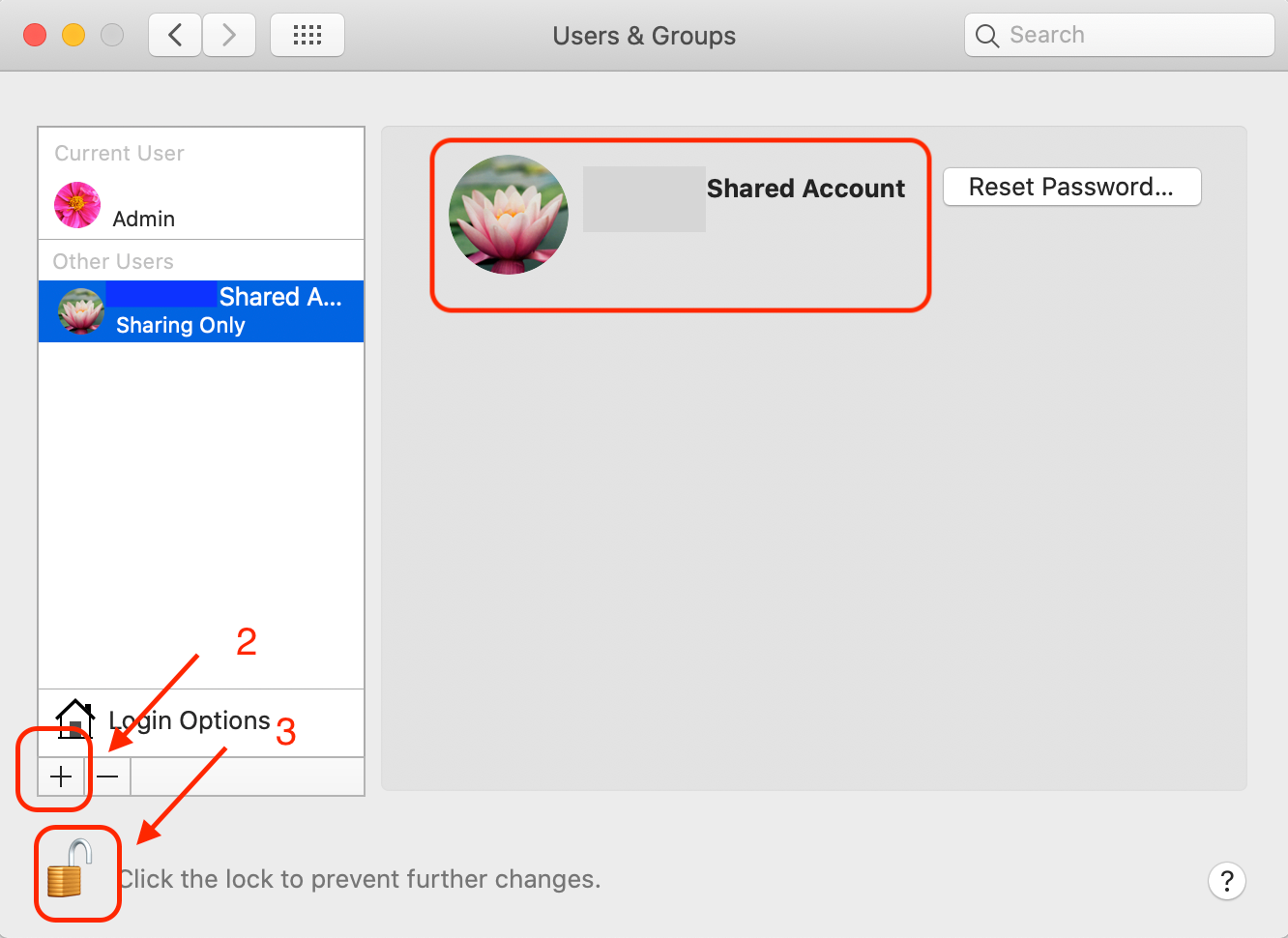
- From the Apple menu, choose System Preferences > Sharing.
- Next, tap on the Add (+) in the foot of the window to share a specific item. Highlight the folders you want to relocate, then click Add.
- Hold down the Control button, click on the name of the item and choose Advanced Options followed by your preferences. Click on OK.
- You can rope in a few selected users. Choose the item you want to transfer in the Shared Folders list of options, then click the Add(+) and cherry-pick the targeted users. Add users from a network, Mac users, or contacts.
- In addition to identifying users who should access your items, you may also need to restrict the scope of accessibility.
Method 2: Using iCloud
You can utilize other methods to share files from your Mac with other devices. Apple suggests iCloud Drive carves out a straightforward pathway to share files. iCloud Drive auto-saves files in Documents and Desktop directories to the cloud. Apple premised its decision on the presumption that most people save files here.
Follow the steps below to enable iCloud Drive Desktop and Documents access:
- Launch the Apple menu > System Preferences, then hit iCloud.
- In the menu, highlight iCloud Drive and select Options.
- Scroll to the Documents icon and click it.
- Next, sift through to the new Desktop & Documents Folder listing, and then enable it by ticking the box.
- There you’ve it. iCloud will now store files to the cloud. Give it enough time if you have mass files or corpus content to move.
Part 3: Additional Options to Fix Mac File Sharing Not Working
Network File Sharing Mac Windows
#1: Downgrade to Mojave 10.14.4
Some users running macOS 10.14.5 who encountered the issue reported they resolved the issue by downgrading to 10.14.5. If you have nothing left in your bag of tricks, this could be your last resort. Set up your backup before you restore it to a previous type.
Peer-to-peer File-sharing For Mac
Grind your computer to a halt, and then restart it instantly hold down the Shift + Command + Option + R simultaneously. Your Mac will take more time to reboot. Wait until the macOS Utilities screen to load on, and then hit Reinstall macOS followed by Continue. Refer to the onscreen instructions to finish the installation process.
#2: Toggle Off Sharing
To link to an APFS formatted volume, you’ve to toggle off sharing via AFP on the macOS devices you want to share with. Go to System Preferences, choose Sharing > File Sharing > Options. Uncheck the Share Files and Folder using AFP. High Sierra installed on an SSD automatically transfigures the system volume to APFS.
#3: Advanced File Sharing Options
Advanced file sharing allows you to set the protocol or alternatives for each item. Go to the Apple menu, select System Preferences hit Sharing and choose File Sharing. Control-click the title of the shared item then selects Advanced Options. Click on the “Shared over” pop-up list of options, then select a file sharing protocol (SMB: Share folder over SMB or AFP: Share folder over AFP). Select a choice from advanced options and hit OK.
Conclusion
File sharing issues have become commonplace in the Mac world. Accordingly, Apple unveils timeous fixes for such bugs but some versions like Mojave still remain vulnerable. You have many tricks at your disposal to fix a file sharing glitch. These tricks have yielded positive results for many users. Before you implement radical changes, take a moment to diagnose performance issues on your system. Run cleanup software like PowerMyMac to cut the deadwood out.
That does it for now. You have learned a thing or two to resolve typical file sharing problems by trying the foregoing hacks. As always, let us know your firsthand experience in the comments section.
ExcellentThanks for your rating.
Rating: 4.6 / 5 (based on 94 ratings)
File-sharing For Macintosh
People Also Read:
PowerMyMac
A powerful all-in-one App for Mac
Free DownloadThe most powerful and useful 16-in-1 Mac Software in 2019
:max_bytes(150000):strip_icc()/FileSharingAccessPriv-57bcb0103df78c876322c977-5c6af833c9e77c0001476491.jpg "Mac")
File Sharing Programs For Mac
Free Download